Clinical Insights

  • International Continence Society 2018 - Key Highlights

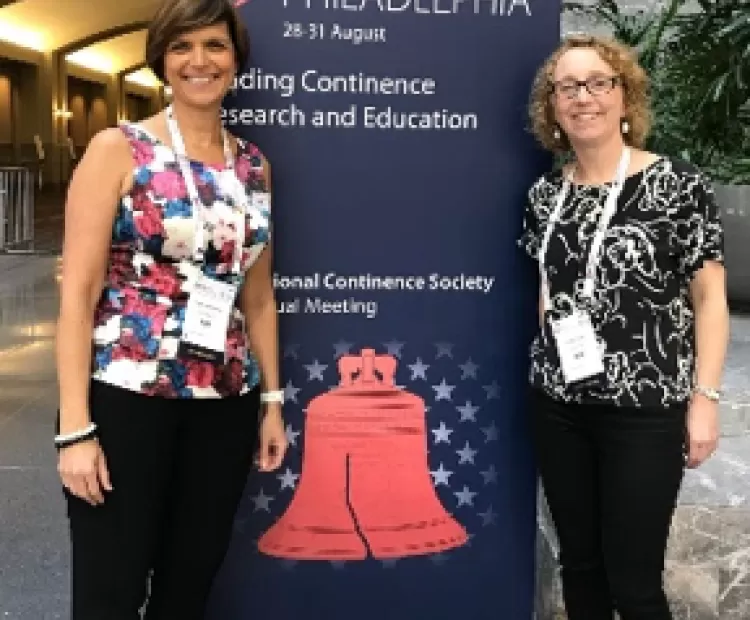
    Leonie Yeap, Clinical Manager at WMHP, and I were fortunate enough to travel to Philadelphia, USA to attend the 48th annual meeting of the International Continence Society held in August. The meeting, attended by around 1500 delegates from across the globe, is a forum for researchers, clinicians and students to explore the latest research on urinary and faecal incontinence and pelvic floor disorders. Our favourite workshop was one titled The Overactive Pelvic Floor which inspired another of our articles in this newsletter on Provoked Vestibulodynia. There were many interesting presentations and we explore five of them.

  • Better Bowels With Rectal Balloon Biofeedback

    Rectal balloon therapy is emerging as an exciting biofeedback tool to effectively treat a variety of benign anorectal disorders. Wald and co-authors recently published the American College of Gastroenterology Clinical Guideline: Management of Benign Anorectal Disorders1, and strongly recommended the use of biofeedback with rectal balloon therapy for treatment of defecatory disorders, chronic proctalgia, and faecal incontinence.
  • Faecal Incontinence: The Role Of Ageing And Gender

    Faecal incontinence (FI) affects up to 1 in 5 Australian men and 1 in 8 Australian women. This is higher than the prevalence of diabetes (6%) and asthma (11%). Dr Danette Wright, colorectal clinical fellow, recently delivered a fascinating presentation at the Continence Foundation Australia NSW State Meeting, discussing the role of ageing and gender in FI. Males and females are both affected by FI at high rates, however Dr Wright discussed how the mechanism of incontinence can be quite different.
  • Weight Loss: The "Wonder Drug” For Incontinence

    Australians are getting fatter, with 7 in 10 Australian men, 1 in 2 women and 1 in 4 children now being overweight or obese. Unfortunately these numbers are continuing to rise. Dr Lucy Bates, Urogynaecologist at Westmead Hospital in Sydney, recently presented at the Continence Foundation Australia NSW State Meeting, exploring the relationship between obesity and incontinence, and what we can do about it.
  • PFD In Sportswomen: A Silent Epidemic

    Urinary incontinence and pelvic floor muscle dysfunction are too often considered disorders of post-partum and postmenopausal women. However, recent research shows an alarmingly high prevalence of urinary incontinence among nulliparous female athletes – particularly in those participating in repetitive, high impact sports such as gymnastics, netball and running. Urinary incontinence in women exercising and playing sport is under reported, under recognised as an issue and therefore under-treated.

Pelvic Health Matters

New name.
Same exceptional care.

Formerly known as Women’s & Men’s Health Physiotherapy, our new name reflects both what we believe in and what we do. We have an unwavering belief that pelvic health matters for everyone, at every stage of life.

Same phone number: 03 8823 8300
New email: physio@pelvichealth.com.au