
Clinical Insights

  • Why You Should Consider Central Mechanisms When Treating Endometriosis

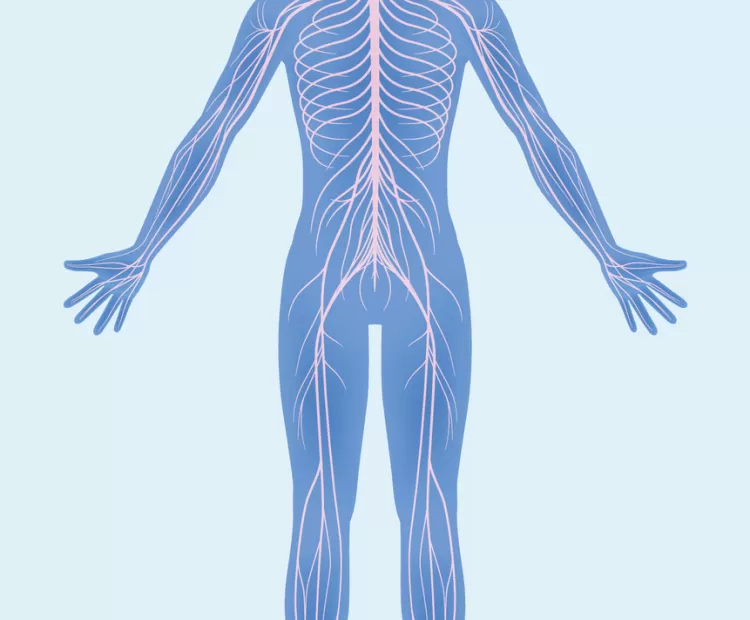
    Recently, there has been an explosion of research into endometriosis associated pain and the influence of central mechanisms in the pain experience. Endometriosis-associated pain syndrome (EAP) is defined as “chronic or recurrent pelvic pain in patients with laparoscopically confirmed endometriosis”, and the term is used when the symptoms persist despite adequate endometriosis treatment.1

  • Transperineal Ultrasound (TPUS): An Exciting Technology

    Real time 2D transperineal ultrasound imaging is emerging as an exciting technique for both pelvic floor muscle assessment and training.  Far superior to the transabdominal approach, it’s a valuable tool to use with patients before or after radical prostatectomy, prolapse, pelvic pain, obstructed defecation, or voiding dysfunction.
  • Case Study: The Power of “Explaining” Pelvic Pain

    Tracey was referred to Pelvic Health Matters with dyspareunia, vulvodynia, and pelvic floor muscle dysfunction following gynaecological surgery.  This case study explores the impact of psychological and social factors on Tracey’s pain experience. It highlights the importance of following a biopsychosocial approach incorporating therapeutic neuroscience concepts when developing an effective treatment program.
  • Explaining Pain Doesn’t Have To Be Painful

    The research is now undeniable - educating a patient about the science of pain is an essential component of persistent pain care.  Unfortunately, pain education is not easy and finding the right language is challenging for many health professionals.
  • Looking outside the pelvis in PPP

    According to the 2022 European Association of Urology Guidelines on Chronic Pelvic Pain, Persistent Pelvic Pain (PPP) is persistent pain perceived in structures related to the pelvis of either men or women1.  PPP can be further categorised as Chronic Primary Pelvic Pain, where there is no obvious pathology and Chronic Secondary Pelvic Pain, where there is specific disease or pathology associated pelvic pain1.  For both categories, pain must have been continuous or recurrent for at least 3 months or have been in a cyclical pattern for at least 6 months.

Pelvic Health Matters

New name.
Same exceptional care.

Formerly known as Women’s & Men’s Health Physiotherapy, our new name reflects both what we believe in and what we do. We have an unwavering belief that pelvic health matters for everyone, at every stage of life.

Same phone number: 03 8823 8300
New email: physio@pelvichealth.com.au