
Mastitis
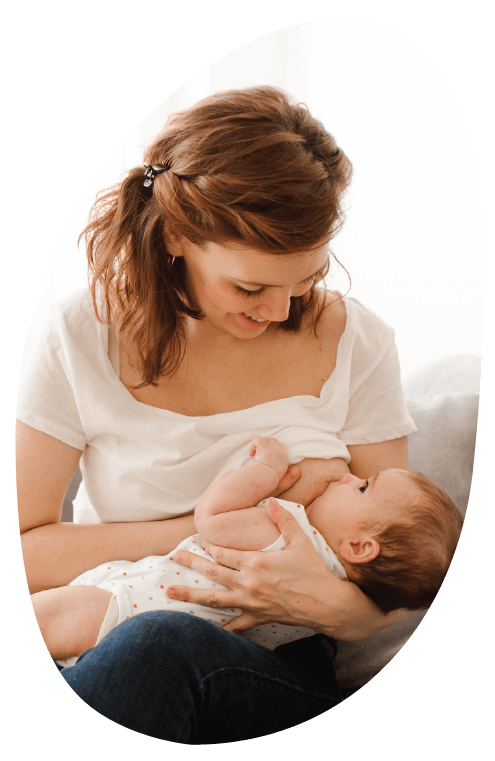
Mastitis is an inflammatory condition of the breast. It typically occurs when women are breastfeeding and is often associated with engorgement and blocked ducts. Sometimes with mastitis, there is a bacterial infection, but mostly there isn’t.
Mastitis occurs in about 20% of breastfeeding women. It makes breastfeeding difficult and uncomfortable, and can affect the bond with your baby. Left untreated, some mothers choose to stop breastfeeding.
Effective treatment is available.
With the correct management and the right advice, mastitis can be treated effectively and quickly. So it’s essential to get help from a health professional as soon as possible after symptoms start to appear.
At Pelvic Health Matters, our postgraduate-qualified pelvic health physiotherapists have the experience and knowledge to help treat this condition. So if you’re suffering from mastitis, there’s no need to suffer in silence. Get in touch with us today.
With the correct management and the right advice, mastitis can be treated effectively and quickly. That’s why it’s essential to get help early from an appropriately trained health professional.
Common signs & symptoms of mastitis
Everyone is different, but if you suffer from mastitis, you’re probably familiar with some of the following:
- Tender or painful lumps in your breast
- Areas of redness or increased warmth in your breast
- The whole breast feels warm, swollen and lumpy
- Flu-like symptoms with fever, fatigue and feeling unwell
- Decreased milk supply
Types of breastfeeding problems
Engorgement
Overfilling of the breast with milk, causing the breast to be hard, painful and tight. There may also be redness and fever.
Blocked ducts
Blocked, plugged or narrowed ducts due to congested milk, leading to reduced milk flow. This causes a painful, hard lump, either in one specific area or the whole breast.
Inflammatory mastitis
Breast inflammation that occurs when blocked ducts are not cleared or treated. This can cause swelling, warmth, pain, fever and chills.
Bacterial mastitis
Bacterial mastitis can occur if inflammatory mastitis persists and is untreated. It causes worsening redness, swelling, warmth and pain, as well as fever and chills.
Risk factors & causes of mastitis
- Poor attachment
- Oversupply
- Poor breast drainage
- Fatigue
- Changes to breastfeeding pattern
- Poorly fitting bra
Our Proven Pathway for Treating Mastitis
Discover what matters
You’re assessed as a whole person
We begin by taking the time to learn all about you – as a whole person, not just a patient. So, your postgraduate-qualified pelvic health physiotherapist will gather the following information:
- 1-on-1 CONSULTATION: Here, we’ll take the time to learn about you and your breastfeeding problem.
- THOROUGH ASSESSMENT: This includes a breast examination and Breast Inflammatory Symptom Severity Index (BISSI) assessment.
- CONNECTING THE DOTS: Now that we’ve discovered so much about you and your breastfeeding pain, we’ll make sense of your breastfeeding condition. For example, we might learn how your baby sleeping through the night has impacted your supply and drainage.
- SET GOALS: We’ll help you set meaningful pelvic health goals such as:
- Breastfeed my baby with ease
- Know how to prevent another episode of mastitis
- Learn self-management strategies
Restore what matters
You’ll have a personalised pelvic health plan.
Step 2 is where the action happens. Together, we’ll choose the best research-proven treatment options for your lifestyle. You’ll learn how your breast works, what may not be working so well, and what you can do to improve your mastitis.
Next, we’ll use therapeutic ultrasound, an effective treatment to reduce breast inflammation, swelling and pain. You’ll receive advice and learn valuable new self-help strategies for home, including breastfeeding tips and lymphatic drainage. And, if needed, we’ll work with or refer you to a doctor or lactation consultant.
ABOUT YOUR APPOINTMENTS: Together, we’ll work out how often we should see each other. We’ll agree on what works best for you, your commitments and your finances.
Enjoy what matters
You’ll be living your best life.
The final step is helping you to continue to comfortably breastfeed your baby so you can enjoy this special time. You’ll have all the valuable skills to look after your breasts and hopefully prevent mastitis from recurring.
Sometimes, though, life has a way of delivering little surprises that can throw things off track. A change in your baby’s routine or return to work might mean you experience mastitis again. No matter what’s going on, just know – we’re always here for you, ready to help whenever you need it.
Read about Olivia 35 yrs


Other Related Conditions

Pelvic Health Matters
New name.
Same exceptional care.
Formerly known as Women’s & Men’s Health Physiotherapy, our new name reflects both what we believe in and what we do. We have an unwavering belief that pelvic health matters for everyone, at every stage of life.
Same phone number: 03 8823 8300
New email: physio@pelvichealth.com.au