Clinical Insights

  • The Link Between Sleep and Chronic Pain

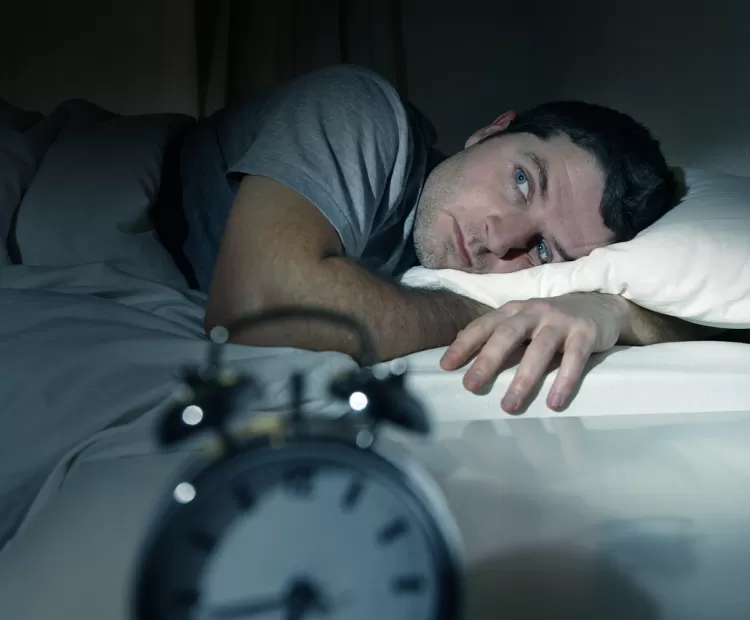
    Good sleep is hard to come by during this pandemic. The impossible juggle of work, kids at home, stress and isolation has challenged sleep for many. We know that poor sleep has a huge impact on many aspects of physical and mental health, and recent research also shows a relationship between sleep disturbances and chronic pain. According to Maslow, sleep is one of our basic physiological needs. Unfortunately, sleep is often regarded as an optional luxury rather than an essential pillar of health. This article explores the impact of sleep on chronic pain, and we share our top “sleep hygiene” tips for a more restful night’s sleep.

  • Treating Incontinence, Empowering Women

    Urinary incontinence (UI) is a significant problem for Australian women. Affecting 1 in 3 women of all ages, this is an issue that needs to be taken seriously. When a woman is not able to control her bladder, it can affect her life profoundly. Women will often stop exercising, withdraw from intimacy, have reduced self-esteem, and avoid engaging in things they enjoy. Shockingly, a large population-based study found that 75% of affected women don’t seek help, and among those who do seek help, only 12% actually ended up receiving care1. Incontinence is highly prevalent but very treatable – and pelvic floor muscle training is the grade A, first line recommended treatment for stress, urge or mixed incontinence2. We know that you know this – but do women know this? It is our job to ensure the message is heard, understood and acted upon.
  • Menopause, GSM And Painful Sex

    Genitourinary Syndrome of Menopause (GSM) affects around 60% of post-menopausal women. It is characterised by vaginal dryness/discomfort and urinary issues, and often the first symptom is painful sex. Professor Beverley Vollenhoven, Head of Gynaecology at Monash Health, did a fascinating presentation on this topic at the 2019 ‘Let’s Talk Sex’ course run by the O&G department of Monash University. She outlined the impact of GSM, and what we can do about it.
  • FODMAPs: The Latest In Health And The Irritable Bowel

    Irritable bowel syndrome (IBS) is the most common gastrointestinal disorder. Symptoms of bloating, abdominal pain and diarrhoea or constipation (or alternating) are frequent. These impact daily life, mental wellbeing, increase absenteeism from work/school and affect social activities.
  • Exercise: A Vital Part Of Cancer Management

    Exercise is a vital part of cancer management. The benefits are not only physical. Exercise can improve mood, symptoms of depression, and also have an impact on the body’s immune system and chances of overall survival. The benefits of exercise in cancer are so widely supported that it is now recommended by the Clinical Oncology Society of Australia that exercise be a part of everyone’s cancer care.

Pelvic Health Matters

New name.
Same exceptional care.

Formerly known as Women’s & Men’s Health Physiotherapy, our new name reflects both what we believe in and what we do. We have an unwavering belief that pelvic health matters for everyone, at every stage of life.

Same phone number: 03 8823 8300
New email: physio@pelvichealth.com.au