
Clinical Insights

  • SUI and Athletes

    Stress Urinary Incontinence (SUI) is defined as a complaint of involuntary loss of urine upon effort or physical exertion (eg, sport) or on sneezing and coughing and is often attributed to Pelvic Floor Muscle Dysfunction (PFMD). More and more, we are seeing that SUI as a major cause of reduced performance in female athletes. Why is this happening and how can we treat it?
  • Time To Re -Think Bladder Training?

    Overactive bladder (OAB) is an idiopathic symptom-complex defined by urinary urgency (often with frequency, nocturia and incontinence) that appears to encompass multiple different underlying mechanisms. Despite support for behavioural therapy as first line treatment for OAB, the literature doesn’t address the specific impact of the cognitive aspect of bladder training. We need a better understanding of the rationale of bladder training and specifically develop urgency management strategies that are more effective in those presenting with a central component to their symptoms.
  • “My Vagina Is Broken” – Debunking Myths to Improve Sexual Pain

    The inspiration for this article comes from one of our favourite books, “Come As You Are”, by Dr Emily Nagoski. In her book, Dr Nagoski pulls together years of research into women’s sexuality, relationships and wellbeing and shares an evidence based exploration of how female arousal, desire, autonomy, pleasure and orgasm works, and provides tools for women to create and sustain a fulfilling sex life.
  • Adverse Childhood Experiences: Implications For Adult Health

    Did you know that adverse experiences in childhood can have a big impact on health later in life? A landmark study in 1998 known as the ACE (Adverse Childhood Experiences) study followed over 17,000 participants, investigating the impact of emotional and physical trauma in childhood on physical and psychological health later in life. The results were overwhelmingly clear that childhood abuse and family dysfunction had a profound effect on adult mental health and wellbeing and increased the chance of developing chronic illnesses such as heart disease, diabetes, cancer, persistent pain and obesity.
  • Impact of Gestational Diabetes on the Pelvic Floor Muscles

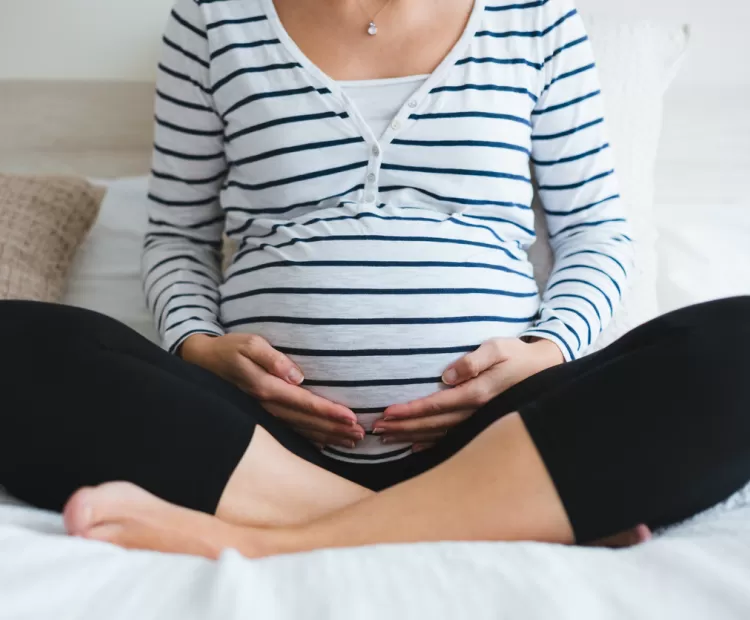
    Gestational diabetes (GDM) is associated with increased incidence of pelvic floor dysfunction and urinary incontinence, both during pregnancy and post-natally. An interesting study was published late 2020 on this topic, exploring the effect of GDM on the pelvic floor muscles. 110 pregnant women with and without GDM were assessed with 3D ultrasound at 24-28 weeks and 34-38 weeks gestation, and levator ani thickness and hiatal area were measured.

Pelvic Health Matters

New name.
Same exceptional care.

Formerly known as Women’s & Men’s Health Physiotherapy, our new name reflects both what we believe in and what we do. We have an unwavering belief that pelvic health matters for everyone, at every stage of life.

Same phone number: 03 8823 8300
New email: physio@pelvichealth.com.au