Clinical Insights

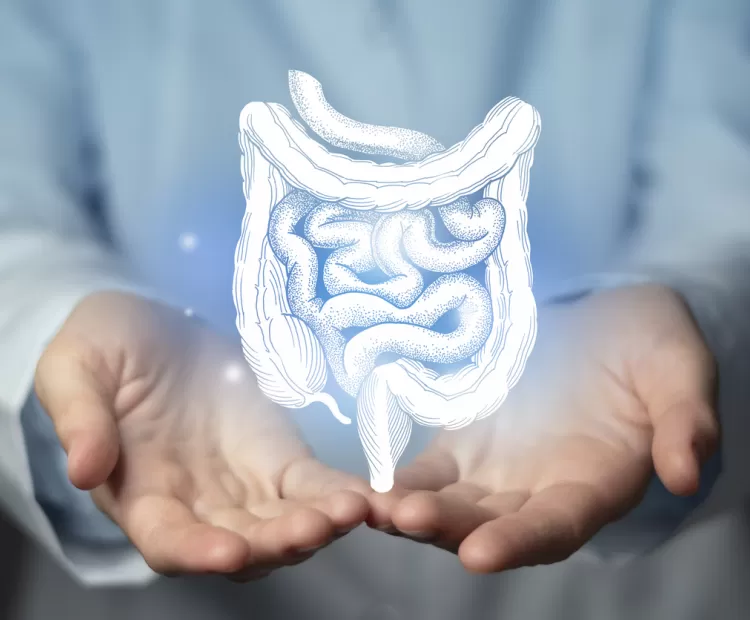
  • Bowel Function & Pelvic Health: The Underappreciated Link

    Anorectal or bowel dysfunction is common, yet is under-reported, under-diagnosed and under-treated. Nearly 2% of Australian adults experience faecal incontinence and 4% experience both urinary and faecal incontinence. A staggering 40% of the world’s population are impacted by Disorders of Gut-Brain Interaction (DGBI) eg Irritable Bowel Syndrome (IBS).
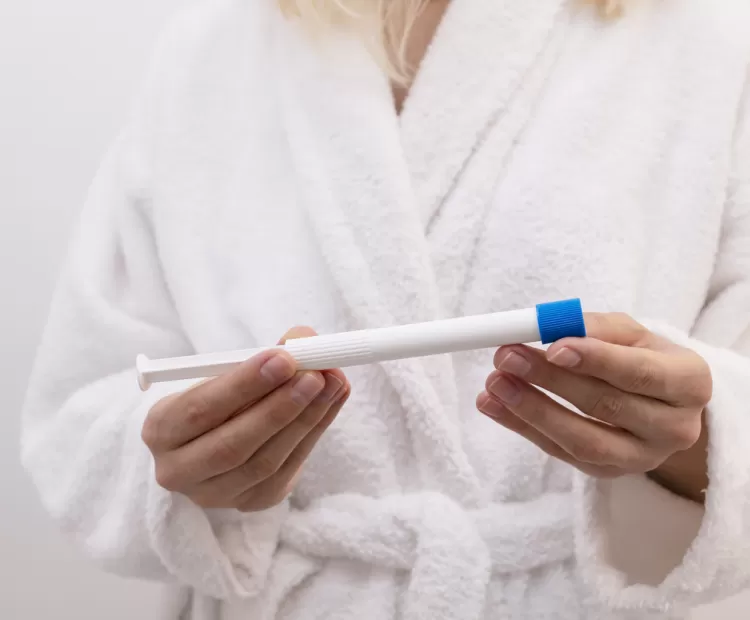
  • Working Together For GSM: Oestrogen & Physiotherapy

    Genitourinary Syndrome of Menopause (GSM) can be defined as a collection of symptoms and signs associated with a decrease in oestrogen and other sex steroids involving changes to the labia majora/minora, clitoris, vestibule/introitus, vagina, urethra and bladder.
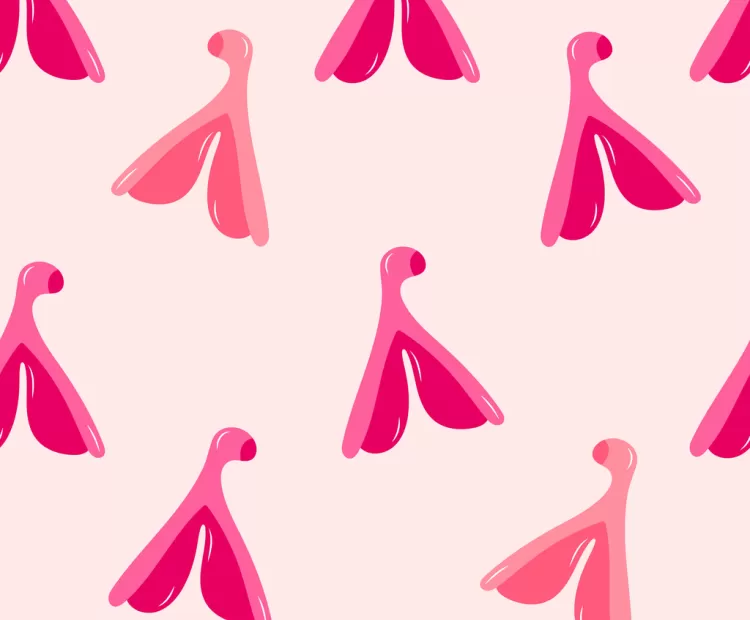
  • Clitoral Curiosity

    Every day, we speak with people who seek our support regarding painful sex. Often their stories include fear, confusion and a poor understanding of the vulva, clitoris and vagina. Many people hold unhelpful beliefs and perceptions of what is and isn’t normal. As Pelvic Health Physiotherapists, part of our role is to educate, enlighten and empower individuals to develop a healthier perspective about their genitals and guide them toward safe, comfortable and pleasurable experiences with their body. Here we explore relatively recent discoveries regarding the clitoris and the relevance to those we see with pelvic health concerns.
  • Trauma Informed Care In Pelvic Health

    Trauma, neglect and attachment disorders are common and create behavioural, physiological and cognitive adaptations that impact daily function and health via the effects on the neurological, endocrine and immune systems. The experience of trauma can result in loss of trust, feelings of guilt and shame, a decreased sense of safety and loss of hope for the future. These changes can affect the way people approach potentially helpful relationships and make it harder for them to engage with health care practitioners.
  • How Can We Ensure Competency Standards In Pessary Management for POP?

    Pessaries are being increasingly utilised as a component of the biopsychosocial non-surgical management of Pelvic Organ Prolapse (POP), in addition to pelvic floor muscle training, lifestyle changes and topical oestrogen. It is vital that these treatments are provided effectively and safely following evidence based and competency assessed standards.

Pelvic Health Matters

New name.
Same exceptional care.

Formerly known as Women’s & Men’s Health Physiotherapy, our new name reflects both what we believe in and what we do. We have an unwavering belief that pelvic health matters for everyone, at every stage of life.

Same phone number: 03 8823 8300
New email: physio@pelvichealth.com.au