
Pallav's Story*

Step 1

Pallav discovered what mattered
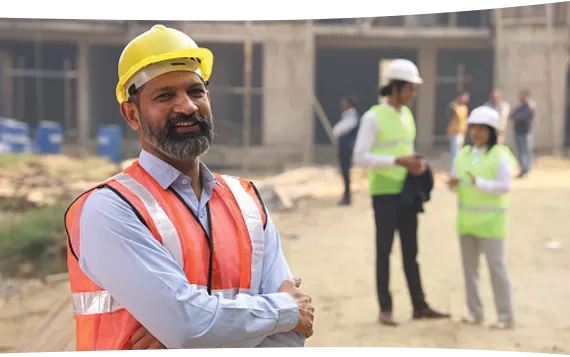
Pallav (he/him) is a 46-year-old building site manager who had been struggling with IBS, bowel urgency, and episodes of faecal incontinence for many years. His symptoms had worsened significantly over the past year and his GP had referred him to physiotherapy. Pallav was experiencing 4-5 bowel motions daily with fluctuating stool consistency, painful fissures and haemorrhoids. The urgency was unpredictable and distressing, and he'd had several episodes of faecal incontinence with loose stool that left him mortified. His demanding job required him to be on construction sites all day, often without easy access to toilets. He was constantly anxious about having an accident, avoiding site meetings and social situations. The physical demands of his work – at times lifting heavy materials and prolonged standing - seemed to make everything worse. Working together, we discovered stress and worry about accidents had led to significantly increased resting tension of the external anal sphincter and pelvic floor muscles. Pallav had become hypervigilant around his symptoms and toilet access and his nervous system was highly sensitised.
Pallav's Pelvic Health Goals:
- Reduce bowel frequency to 1-2 times daily so I'm not constantly looking for toilets.
- Stop having to rush and having bowel accidents - I can't keep living in fear of this.
- Get rid of the fissure and haemorrhoid pain so I can sit and stand comfortably.
- Feel confident running site meetings without panic about needing the toilet.
- Be able to do my job and spend time with my family without my bowels controlling everything.
Step 2

Pallav restored what mattered
Pallav learned about the brain-gut connection and how his stress, worry and nervous system sensitivity was amplifying his IBS symptoms and bowel urgency. Using biofeedback, we built awareness of his chronically tense pelvic floor muscles and practiced relaxation using diaphragmatic breathing. He learned effective defecation techniques to reduce straining and trauma to his fissures. We worked with a bowel dietitian to identify IBS triggers and optimise stool consistency. Bowel retraining strategies helped him recognise true urgency versus nervous system-driven false alarms. As his pelvic floor tone normalised and his nervous system calmed through breathing exercises and stress management, his urgency reduced and his fissures began to heal.
Step 3

Pallav enjoyed what mattered
After 6 months, Pallav's bowel frequency had reduced to 1-2 times daily with more predictable patterns. His fissures had healed, haemorrhoids had settled, and he hadn't had an accident in four months. He was confidently running site meetings, working full days on construction sites, and his anxiety around toilet access had dramatically reduced. Most importantly, Pallav was enjoying weekend activities with his family without constantly planning activities around bathrooms.